
trial 2

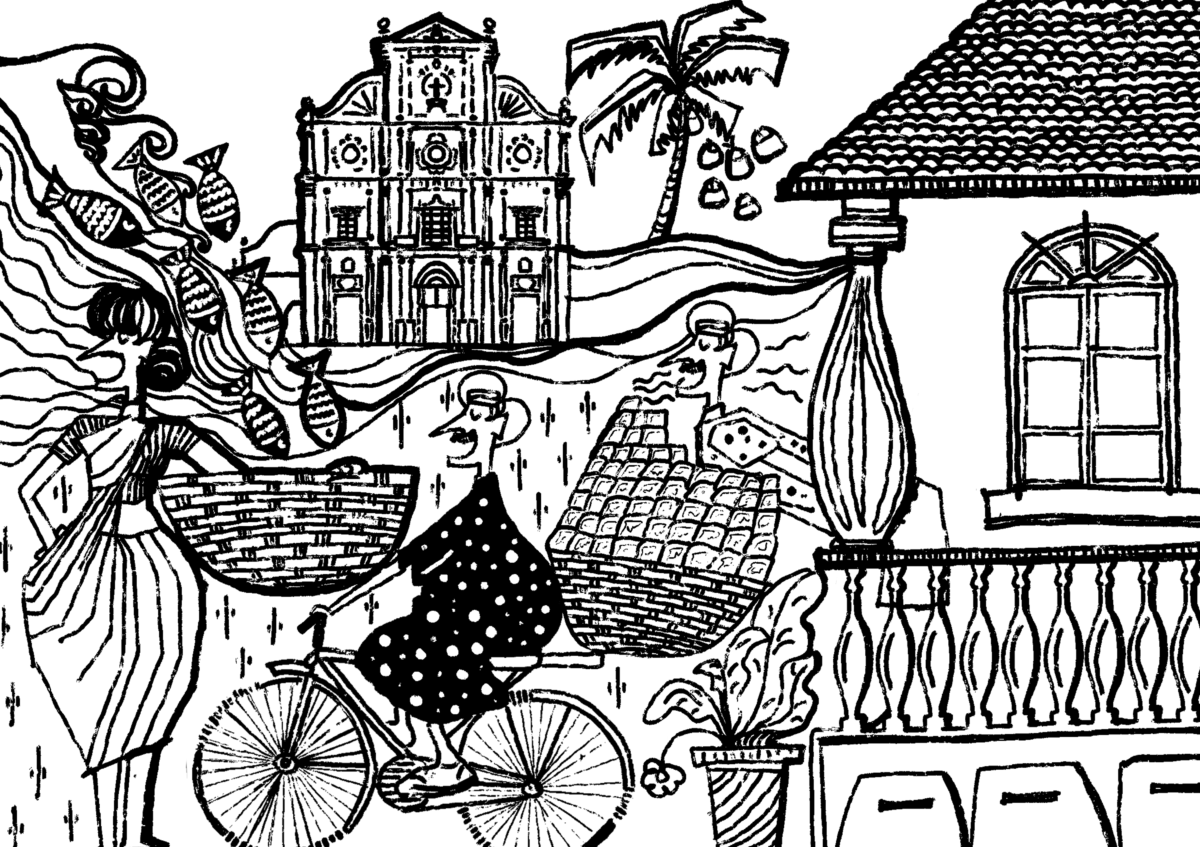
Because in Goa, colour is structure. Ochre yellows, mustard, oxblood red, sea-foam green, Indigo Blue, the houses along any lane read like a spectrum someone deliberately organised. Windows are trimmed in white plaster borders so the colour of the wall behind them sings louder. Some of the older Goan-Portuguese homes still carry oyster-shell windows. Thin, translucent capiz shells set into wooden lattices in place of glass, filtering the tropical light into something soft and underwater before it reaches the floor. Azulejo tiles, hand-painted blue-and-white ceramic panels imported from the Portuguese tradition, appear on staircases, house numbers, and saints’ shrines. A small European echo tiled directly into a tropical façade. And above all of it, holding the whole composition together, the terracotta Mangalore-tiled roof, pitched steeply against monsoon rain. 

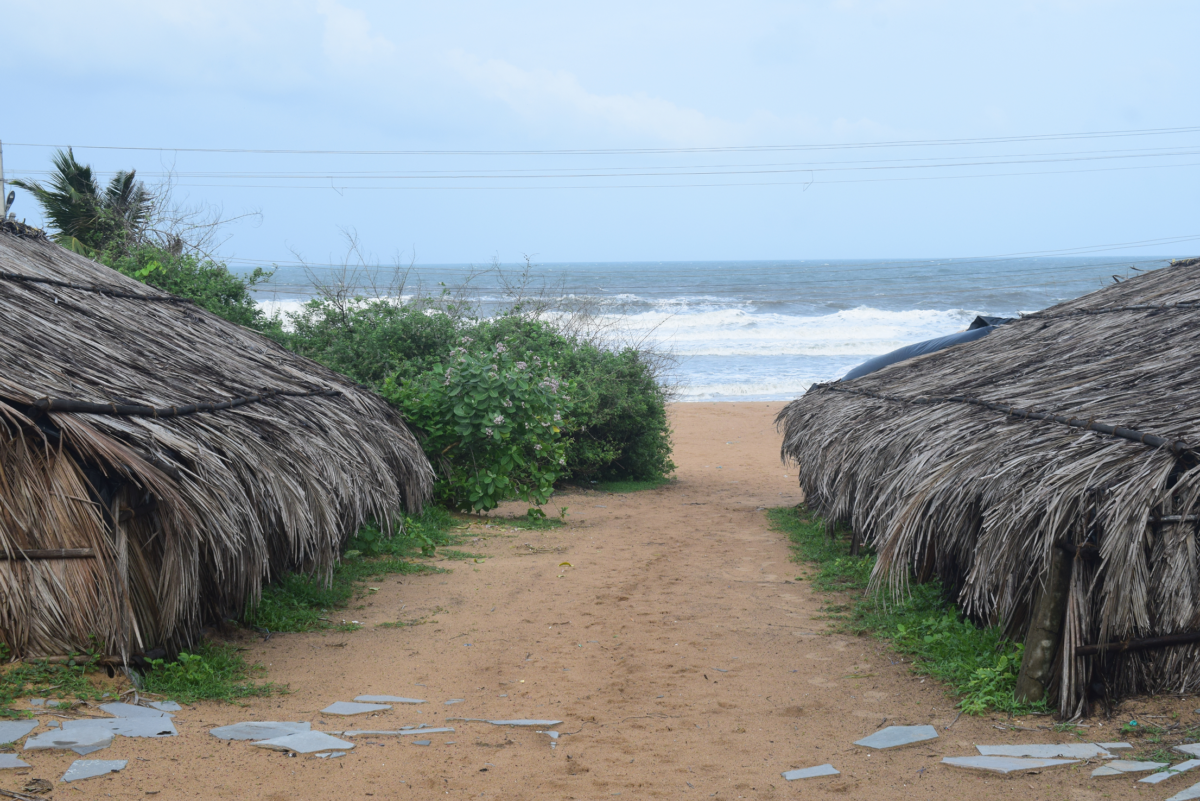
Walk the beach belt north to south, and Goa refuses to repeat itself. Arambol opens with laterite cliffs and a bohemian hush. Mandrem softens into quiet backwaters and casuarina groves. Anjuna and Vagator turn rockier and more theatrical, their red cliffs dropping straight into the Arabian Sea. Calangute and Candolim grow busier, shack-lined and sunburnt. Further south, Reis Magos and Miramar curve back toward the mouth of the Mandovi, where the river finally gives way to the open sea. Each beach is its own micro-architecture. Cliff, shack, resort, casino boat,  coastline keeps redesigning itself every few kilometres.
Goa

You know you have arrived in Goa the moment you step out of Madgaon station and find a yellow-black auto rickshaw waiting with both its doors flung open like wings. From there, the road runs to Kadamba bus stand, where the state buses sit low and battered and utterly unbothered, painted in the mixed colours that Goa seems to favour for everything it wants you to notice.

The real threshold, though, is the drive north, over the Zuari bridge, the Mandovi opening on either side, the wind arriving off the water before you’ve had time to prepare for it. It hits you the way weather is supposed to hit you: full in the face, salted, warm even when it is raining. Somewhere in that crossing, between one bank and the other, the ordinary rules of an Indian coastal town start to bend into something else, half remembered from Lisbon, and rest invented on the spot.

Goa announces itself first through food, and food here is inseparable from its architecture of habit. A kokum soda arrives sweating in its glass before you’ve asked for one. Paav is delivered each morning by a breadman on a bicycle, announced by a horn instead of a knock, a small ritual descended directly from the Portuguese habit of the daily loaf. Chicken poee cutlets, crispy rava fried chicken inside hollow crusty bread and fish thali plates heaped with rice and coconut fish curry in kokum, and always, somewhere close, the sharp clean sting of feni, all of it eaten in the shadow of buildings that are doing their own quiet storytelling.